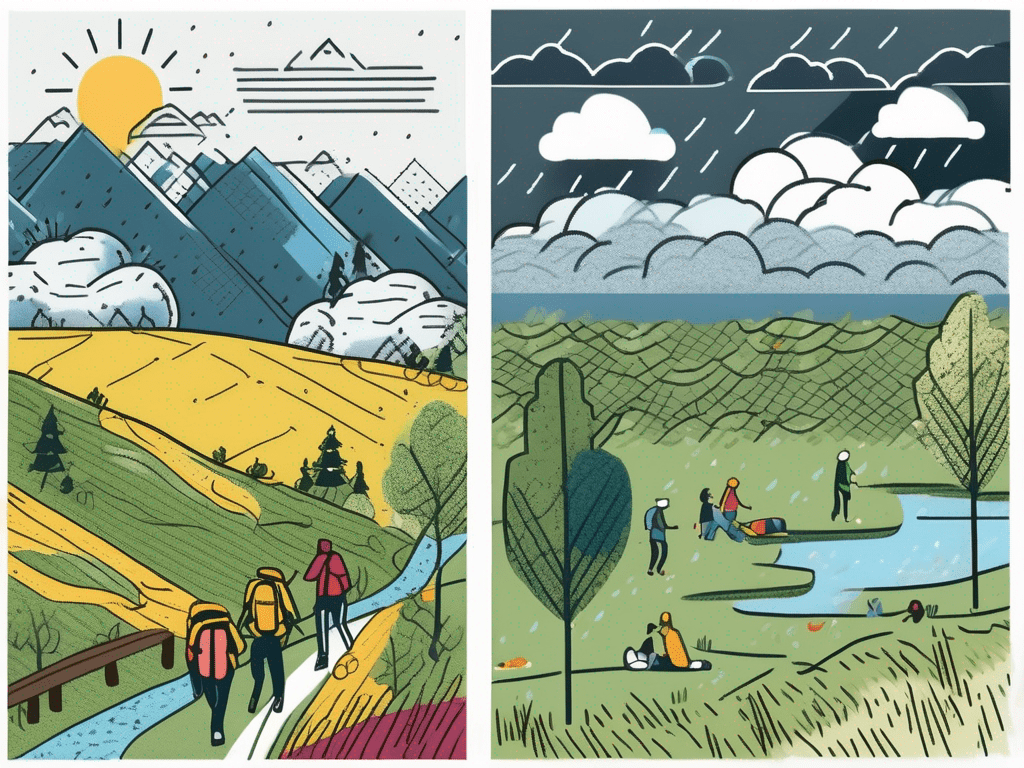
Planning outdoor activities can be both exhilarating and daunting, especially when considering the unpredictable nature of weather. Understanding weather predictions can significantly enhance your outdoor experiences, making them enjoyable and safe. This article will guide you on navigating weather forecasts and planning your outdoor activities accordingly.
Understanding Weather Predictions
Successful planning hinges on a firm grasp of what the weather holds in store. From the fundamentals of meteorology to practical applications through modern technology, knowing how to interpret weather predictions, including snow day prediction, is essential.
Basics of Meteorology
Meteorology is the scientific study of the atmosphere and its phenomena, particularly those related to weather. It encompasses a variety of factors, including temperature, humidity, precipitation, and wind patterns. By understanding these elements, you can make informed decisions about your outdoor plans.
For instance, temperature informs how comfortable you may feel during an outdoor activity, while humidity can affect how quickly you become fatigued. Precipitation indicates not just rain but also the potential for snow or sleet, while wind conditions can impact activities like hiking or biking. Additionally, atmospheric pressure plays a crucial role in predicting weather changes; falling pressure often signals an approaching storm, while rising pressure typically indicates clearer skies ahead.
Understanding the interplay between these factors can also enhance your appreciation of nature. For example, a sudden drop in temperature combined with high humidity might create a misty morning, transforming a familiar landscape into a scene straight out of a fairy tale. Such phenomena are not only beautiful but can also affect wildlife behavior, making it an exciting time for birdwatchers and nature enthusiasts alike.
Interpreting Weather Forecasts
Weather forecasts are typically presented in a variety of formats, including simple daily summaries and more detailed hourly breakdowns. A reliable forecast usually includes information such as the expected high and low temperatures, chances of precipitation, and wind speeds.
It is essential to pay attention to terms such as “partly cloudy,” “scattered showers,” and “high winds,” as they can significantly affect your plans. Also, remember to check the date and time of the forecasts, as conditions can change rapidly. Understanding the difference between a “watch” and a “warning” is also crucial; a watch means conditions are favorable for severe weather, while a warning indicates that severe weather is occurring or imminent, prompting immediate action.
Moreover, local geography can greatly influence weather patterns. For instance, coastal areas may experience different weather phenomena compared to inland regions due to the moderating effects of the ocean. Mountains can create rain shadows, where one side receives abundant rainfall while the other remains dry, leading to diverse ecosystems within short distances. This geographical awareness can aid in making more precise predictions about what to expect in your specific area.
Utilizing Weather Apps and Websites
In today’s digital age, numerous weather apps and websites provide real-time data and alerts. Apps like Weather Underground and AccuWeather offer detailed forecasts, radar maps, and even user-generated reports that can keep you informed on changing conditions.
These tools often allow you to set alerts for specific weather conditions. For example, if planning a hike, you can get notified if heavy rain or storms are predicted in your area, allowing for timely adjustments to your plans. Additionally, many of these apps incorporate features like interactive radar and satellite imagery, which can help you visualize approaching weather systems and understand their potential impact on your activities.
Furthermore, social media platforms have become valuable resources for real-time weather updates. Many meteorologists and weather enthusiasts share live updates, photos, and videos, providing a community-driven approach to weather monitoring. Engaging with these platforms can enhance your understanding of local weather patterns and allow you to connect with others who share your interest in outdoor activities and safety precautions.
Planning Outdoor Activities for Different Weather Conditions
Once you have a solid understanding of weather predictions, the next step is to tailor your outdoor activities to suit the conditions. Here are some suggestions for various weather scenarios.
Activities for Sunny Days
Sunny days are perfect for a myriad of outdoor activities. You can choose to spend the day hiking on local trails, biking through parks, or enjoying a picnic at the beach. Here are a few ideas:
- Plan a day hike in a national park.
- Pack a picnic and find a tranquil spot in a nearby green space.
- Engage in outdoor sports like volleyball or tennis.
- Take a nature walk and explore nearby flora and fauna.
Remember to stay hydrated and use sunscreen to protect your skin.
Activities for Rainy Days
Rainy weather doesn’t have to ruin your outdoor plans. In fact, it can provide unique opportunities to enjoy nature in different ways. Consider the following activities:
- Visit botanical gardens to see how plants thrive in the rain.
- Try geocaching, which can be an adventure regardless of weather.
- Take a scenic drive through countryside rain-soaked landscapes.
- Have fun splashing in puddles or going for a muddy trail run.
Embrace the rain and enjoy the fresh scent it brings, while wearing appropriate waterproof gear.
Activities for Snowy Days
Snow creates a beautiful and transformative landscape, ideal for specific outdoor activities. Embrace the winter wonderland with these fun ideas:
- Skiing or snowboarding at a nearby resort.
- Building a snowman or participating in a snowball fight.
- Trekking on snowshoes through local trails.
- Participating in winter wildlife watching.
Dress appropriately in layers and ensure you have equipment suited for snowy conditions to maximize enjoyment while staying safe.
Activities for Windy Days
Windy days can be invigorating and provide unique opportunities for adventure. Adapt your plans with these trendy activities:
- Try your hand at flying kites.
- Go sailing or windsurfing if you’re near the coast.
- Engage in cycling, taking advantage of the natural breeze.
- Have a beach day and enjoy the waves.
Just be mindful of potential hazards; strong winds can pose risks, so opt for locations that are sheltered when necessary.
Safety Measures for Outdoor Activities in Various Weather Conditions
Regardless of the weather, ensuring safety should always be your top priority during outdoor activities. Here are safety measures tailored for varying conditions.
Precautions for Hot Weather
Hot weather calls for specific precautions to prevent heat-related illnesses. Some steps you can take include:
- Hydrate all day before, during, and after your activity.
- Wear lightweight, breathable clothing and a wide-brimmed hat.
- Seek shade during the hottest parts of the day, typically between 10 AM and 4 PM.
- Be aware of the signs of heat exhaustion, such as dizziness and excessive sweating.
Being prepared can help you truly enjoy your time outside without succumbing to heat-related risks.
Precautions for Cold Weather
Cold conditions also require attention and care. Here are a few precautions to follow:
- Dress in layers to maintain an even body temperature.
- Wear insulated gloves, hats, and appropriate footwear to prevent frostbite.
- Keep an eye on wind chill factors; they can significantly affect how cold you feel.
- Monitor your energy levels, and know when it’s time to head indoors.
Understanding cold weather can help you adapt your plans while ensuring safety and comfort during winter excursions.
Precautions for Stormy Weather
Stormy weather poses the most significant risk to outdoor activities. It’s crucial to remain vigilant. Here’s what to keep in mind:
- Avoid outdoor activities when thunderstorms or severe weather alerts are in effect.
- Stay informed through weather apps or local updates.
- Always have a backup plan, in case of sudden changes.
- Seek shelter in sturdy buildings rather than temporary structures.
Staying safe should always take precedence, particularly when nature becomes unpredictable.
Adapting Your Outdoor Plans According to Weather Changes
Outdoor adventures can sometimes go awry due to unforeseen weather changes. Being adaptable is crucial for a successful experience.
Last-Minute Changes and Alternatives
Being flexible with your plans is essential. Here are strategies to adapt:
- Have a list of alternative activities that can be done indoors.
- Be willing to switch locations for your outdoor event if conditions worsen.
- Consider rescheduling if weather conditions are unsafe. Safety should always come first.
Lastly, maintaining a positive attitude will help you enjoy the surprises that the weather may bring.
Indoor Activities for Bad Weather Days
Sometimes, the weather is just too severe for outdoor activities. In such instances, here are ideas for indoor fun:
- Visit a local museum or aquarium.
- Try out an escape room with friends or family.
- Engage in arts and crafts or cooking activities at home.
- Catch up on a good book or enjoy a movie marathon.
While outdoor experiences are valuable, indoor activities can also be fun and educational, making for a balanced approach to leisure time.
In conclusion, planning outdoor activities based on weather predictions involves understanding meteorological basics, interpreting forecasts accurately, and integrating flexibility into your plans. By following these guidelines, you can enjoy your outdoor adventures, rain or shine, safely and joyfully.
 Insight Infinity
Leave a comment